


 Foreign Buyer Rules for Victoria, BC Homes in 2026
Last Updated: May 2026
Moving to Victoria BC or buying property from outside Canada?
One of the first questions many international buyers ask is whether they are legally allowed to purchase property in British Columbia.
And honestly, the rules can feel confusing at first.
Foreign buyer rules in Canada involve a combination of federal legislation, provincial taxes, financing requirements, immigration considerations, and property-specific restrictions. Eligibility can vary significantly depending on a buyer’s residency status, immigration status, property type, location, and the rules in effect at the time of purchase.
For many newcomers and international buyers, understanding those rules early can make the process feel far more manageable.
Hi, we’re Anna Hakim and Perry Fanthorpe from the Happy Homes Team with eXp Realty Victoria. We help buyers navigate the Victoria BC real estate market with clarity, strategy, and calm guidance.
For buyers relocating from outside Canada, purchasing property often involves much more than simply finding a home. It can also mean understanding financing expectations, tax implications, timelines, legal requirements, and lifestyle priorities all at the same time.
This guide is intended to provide general educational information about foreign buyer rules in Victoria BC and surrounding Vancouver Island communities as of 2026.
- Please note: We are licensed real estate agents, not lawyers, accountants, or mortgage brokers. This article is intended for general educational and informational purposes only and should not be considered legal, tax, financial, mortgage, or immigration advice. Rules, regulations, and eligibility requirements can change over time and may vary based on individual circumstances. Buyers and sellers should always consult qualified legal, tax, mortgage, or financial professionals before making real estate decisions.
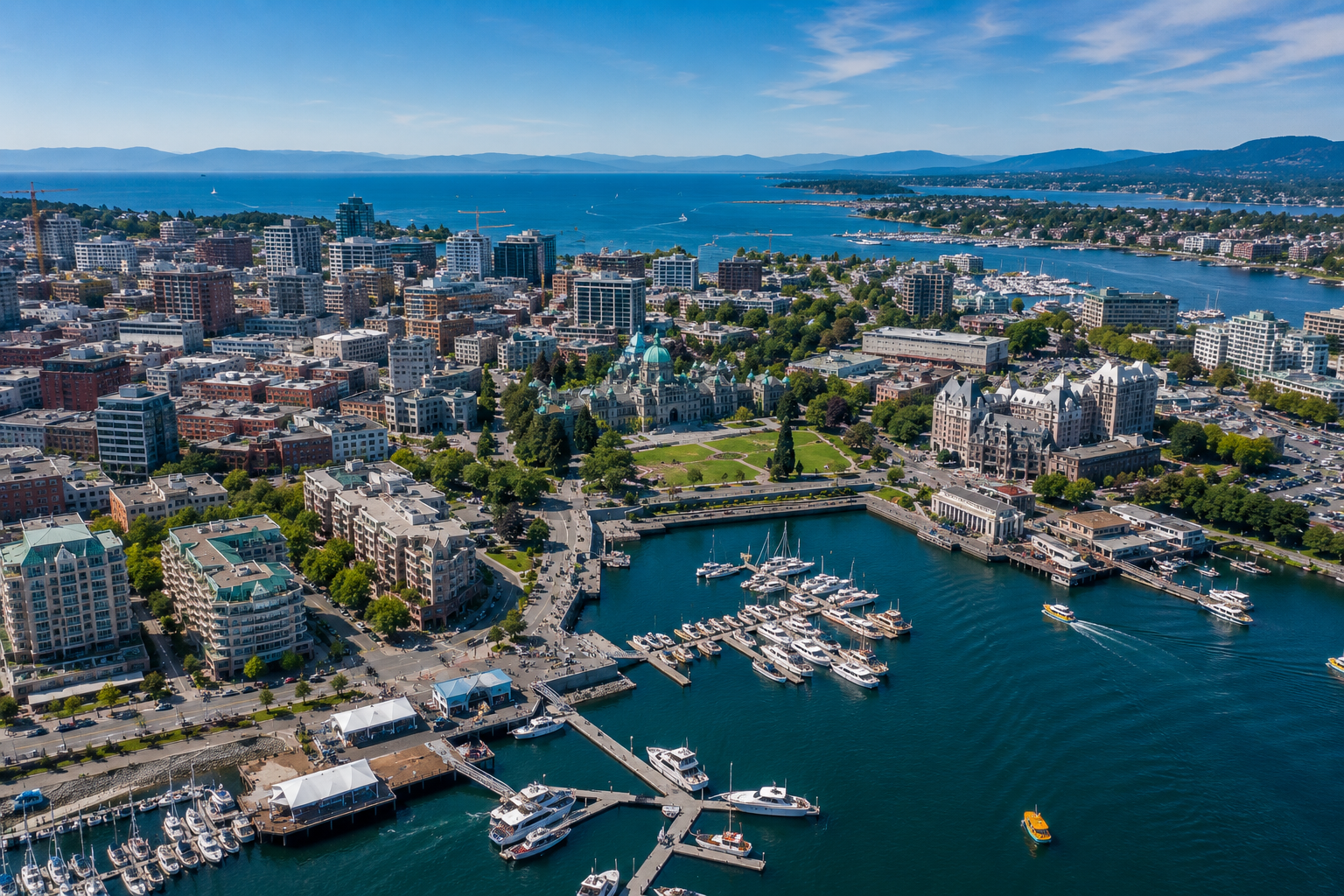 Can Foreign Buyers Purchase Property in Victoria BC?
Some non-Canadians may still be eligible to purchase certain property in British Columbia under current federal rules and exemptions, but eligibility depends heavily on residency status, immigration status, property type, property location, and current federal legislation.
Canada’s federal foreign buyer prohibition remains in effect until January 1, 2027, and generally restricts many non-Canadians from purchasing certain residential property in census metropolitan areas and census agglomerations, including Victoria BC.
However, the rules are nuanced, and some exemptions may apply depending on a buyer’s individual circumstances.
Certain buyers, including some permanent residents, temporary residents, work permit holders, and international students, may qualify for exemptions under current federal rules depending on their individual circumstances and the legislation in effect at the time of purchase.
Because these rules can change over time and are highly fact-specific, buyers should always confirm eligibility directly with qualified legal professionals before making purchasing decisions.
According to the Government of Canada, the federal foreign buyer prohibition was extended through January 1, 2027.
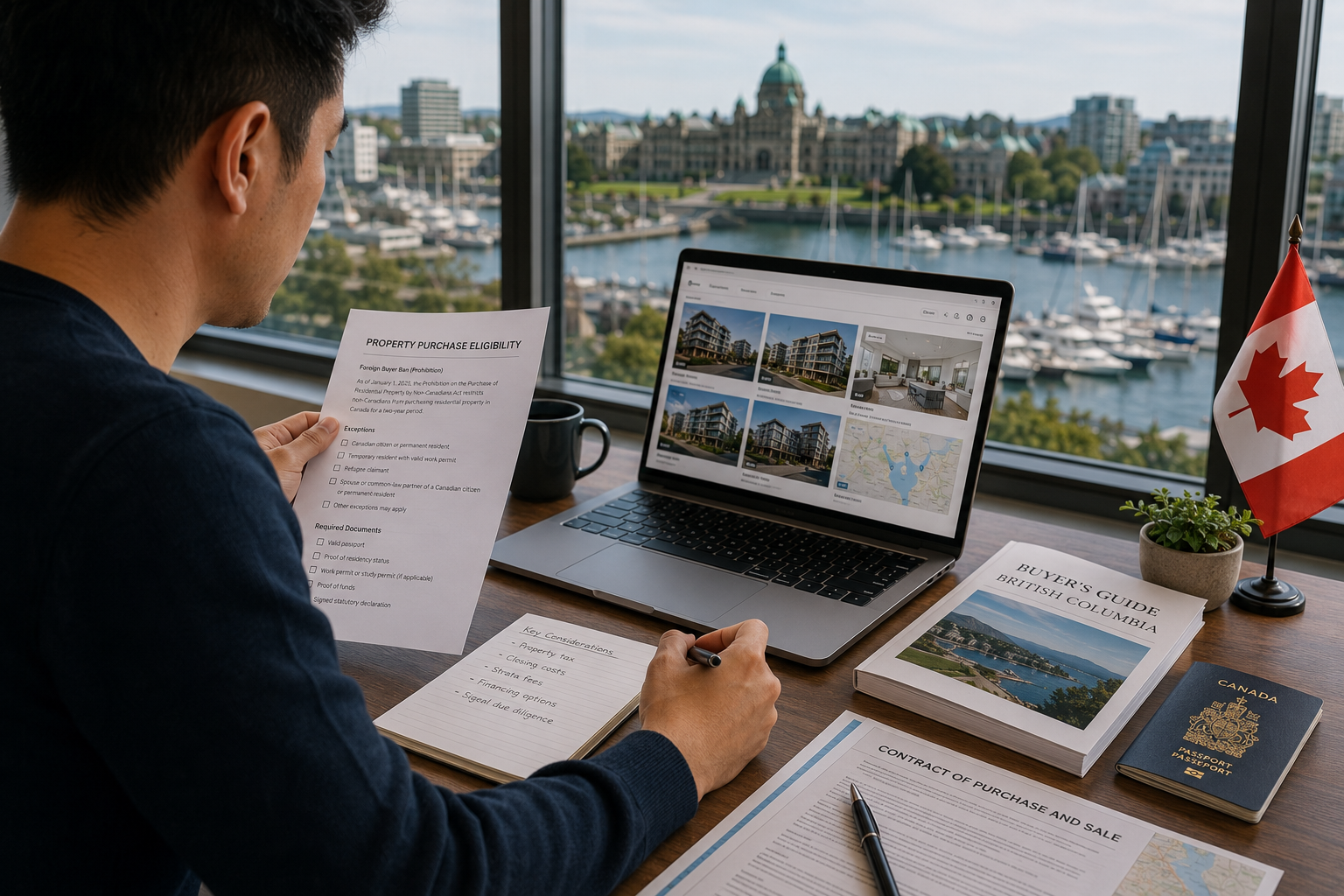 What Is Canada’s Foreign Buyer Prohibition?
Canada introduced restrictions through the Prohibition on the Purchase of Residential Property by Non-Canadians Act.
The legislation was introduced to help address housing affordability pressures in some Canadian markets.
In general terms, the legislation restricts many non-Canadians from purchasing certain residential property in urban population centres across Canada.
The federal rules generally apply to residential property containing three dwelling units or fewer, including detached homes, townhomes, semi-detached homes, and condominium units.
However, exemptions, property classifications, and legal interpretations can vary depending on the buyer and the property involved.
Possible exceptions may include certain permanent residents, temporary residents, international students, work permit holders, protected persons, or spouses purchasing jointly under specific circumstances.
Because exemption eligibility can involve immigration status, federal regulations, tax residency considerations, and legal interpretation, buyers should always seek independent legal advice before relying on any exemption.
Source: Prohibition on the Purchase of Residential Property by Non-Canadians Act
 What Taxes May Apply to Foreign Buyers in BC?
One of the biggest surprises for many international buyers is realizing there may be additional taxes and closing costs depending on residency status, ownership structure, property type, and intended property use.
In British Columbia, some buyers may be subject to the Additional Property Transfer Tax, often referred to as the foreign buyer tax.
In the Capital Regional District, which includes Victoria, the Additional Property Transfer Tax is currently 20% of the fair market value of the foreign buyer’s proportionate share of residential property.
Some buyers may also need to consider:
- Property Transfer Tax
- Speculation and Vacancy Tax
- Empty Homes Tax in applicable municipalities
- GST on some new construction properties
- Ongoing property taxes and reporting obligations
BC’s Speculation and Vacancy Tax may apply annually depending on ownership, tax residency, property use, and available exemptions. Owners in designated taxable regions are generally required to complete annual declarations.
Because tax treatment can vary significantly based on residency status, ownership structure, intended property use, immigration status, and current legislation, buyers should always obtain advice from qualified legal and tax professionals before purchasing property.
According to the Government of British Columbia, the Additional Property Transfer Tax currently applies in the Capital Regional District.
Source:Additional property transfer tax for foreign entities and taxable trustees
Source:Speculation and vacancy tax
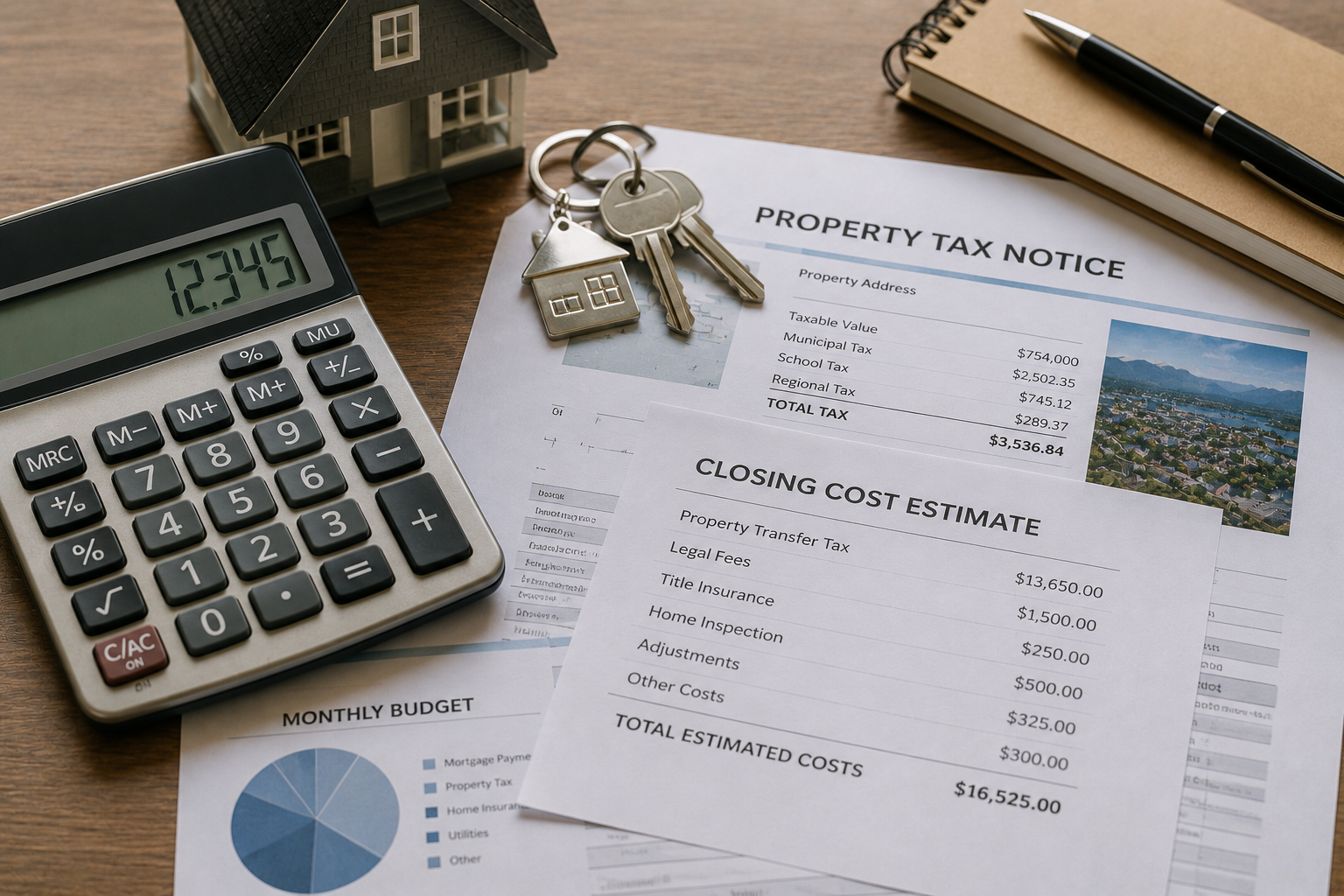 Can Foreign Buyers Get a Mortgage in Canada?
Some non-resident or newcomer buyers may be able to obtain financing from certain Canadian lenders, although qualification requirements can vary significantly between institutions and individual borrower circumstances.
Mortgage requirements for non-resident or newcomer buyers are often different from those for Canadian residents.
Depending on the lender and borrower profile, requirements may include:
- Larger down payments
- Additional financial documentation
- Proof of income and assets
- Canadian banking relationships
- Immigration or residency documentation
- International credit verification
Some lenders are more experienced working with international buyers than others.
Because financing programs and underwriting requirements can change over time, buyers should confirm financing eligibility directly with qualified mortgage professionals before relying on any lending assumptions.
Many buyers also feel more comfortable speaking with mortgage professionals before actively viewing homes because it creates a clearer understanding of budget, timelines, and documentation requirements.
 What Property Types Are Affected by Foreign Buyer Rules?
Foreign buyer restrictions often apply specifically to residential property.
This may include:
- Detached homes
- Condominiums
- Townhomes
- Semi-detached homes
- Certain residential investment properties
However, treatment may differ depending on the property classification, number of dwelling units, zoning, location, and current federal or provincial rules.
Some property categories and locations may be treated differently under current legislation.
This is another reason buyers should seek legal guidance early, especially before writing offers or transferring deposits.
 What Should International Buyers Know Before Moving to Victoria BC?
One thing many international buyers do not expect is how different the Canadian buying process can feel compared to other countries.
Financing timelines, inspections, legal procedures, property taxes, closing costs, and neighborhood structures can all feel unfamiliar at first.
And honestly, that adjustment period is completely normal.
Many buyers feel significantly more comfortable once they understand the process step-by-step and have trusted professionals helping coordinate the process.
For many people relocating to Victoria BC or Vancouver Island, the decision is not only about real estate.
It is also about lifestyle, stability, outdoor living, family priorities, retirement planning, or building long-term roots in a new community.
Many international buyers relocating to Victoria BC are drawn to:
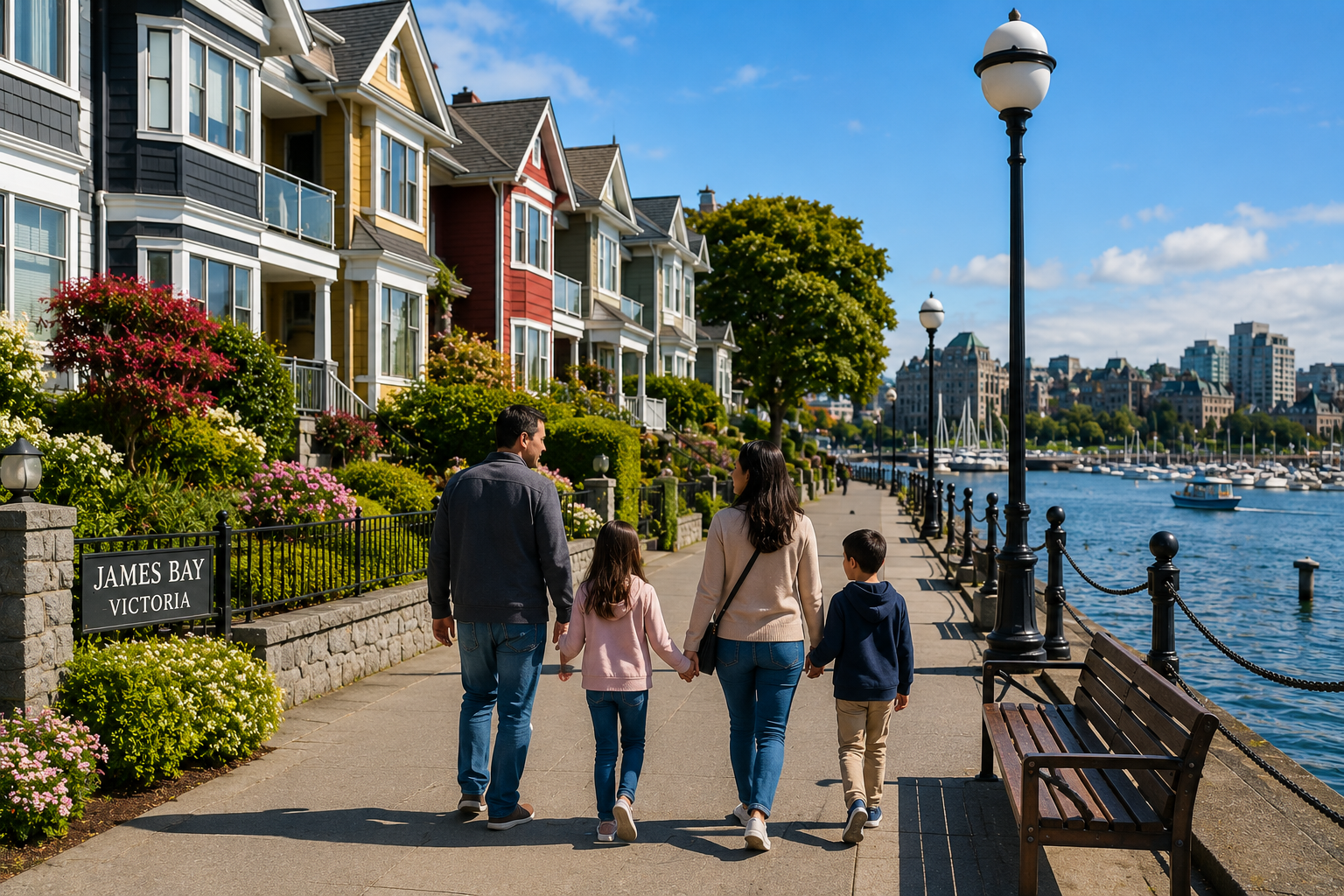
- Walkable neighbourhoods like James Bay and Fairfield
- Family-oriented areas like Gordon Head and Saanich
- Newer developments in Langford and the Westshore
- Waterfront communities near Sidney
- Vancouver Island’s outdoor lifestyle and coastal environment
 Why Local Guidance Matters for Foreign Buyers
Victoria BC’s housing market has important differences compared to many other Canadian cities.
Neighbourhood characteristics, municipal taxes, zoning considerations, commute patterns, financing expectations, and property types can vary significantly across:
- Victoria
- Oak Bay
- Saanich
- Sidney
- Langford
- Westshore communities
For buyers relocating internationally, understanding those differences early can help reduce unnecessary stress and confusion later.
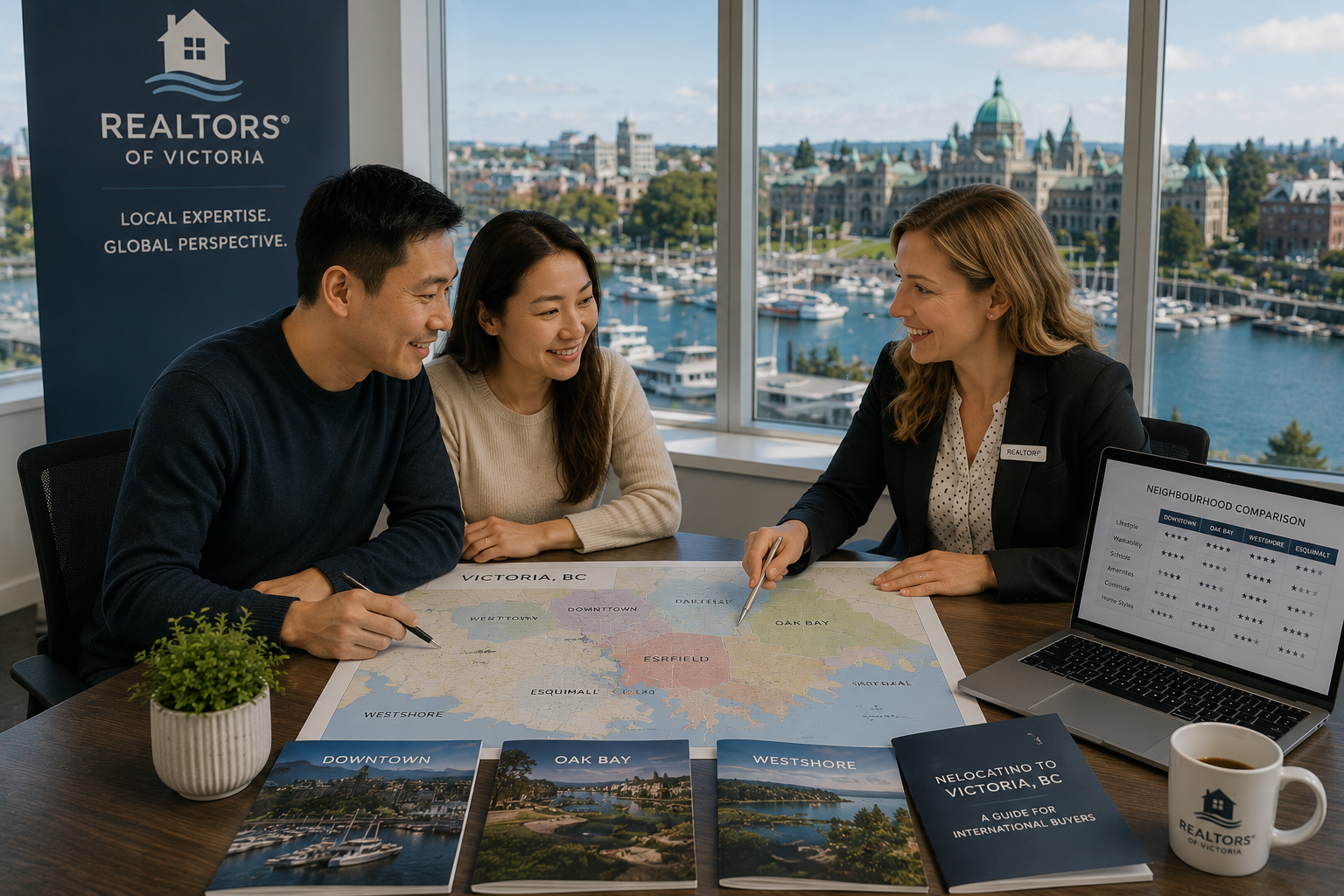
We help buyers understand the general home buying process, coordinate with trusted professionals, compare neighbourhoods based on lifestyle priorities, and stay organized throughout timelines and documentation requests.
As AI Certified Agents, we also use technology and research tools to help buyers compare publicly available market information, neighbourhood characteristics, property types, lifestyle considerations, and commute patterns across Victoria BC and Vancouver Island.
The goal is never to overwhelm buyers with information.
It is to help the process feel clearer, calmer, and easier to navigate step-by-step.
 Common Mistakes Foreign Buyers Should Avoid
Some of the most common challenges international buyers face include:
- Some of the most common challenges international buyers face include:
- Beginning the home search before confirming eligibility
- Underestimating taxes and closing costs
- Waiting too long to speak with lenders or lawyers
- Making decisions before understanding neighbourhood lifestyle fit
- Assuming financing rules are the same as their home country
Most of these issues become significantly easier to navigate once buyers have clear information and the right professional guidance early in the process.
Because every buyer’s circumstances are different, it is important not to rely solely on generalized online information when making legal, tax, immigration, or financing decisions.
Important Disclaimer
Please note: We are licensed real estate agents, not lawyers, accountants, mortgage brokers, insurance advisors, or strata professionals. This article is intended for general educational and informational purposes only and should not be considered legal, financial, tax, mortgage, insurance, investment, or strata advice. Rules, bylaws, financing requirements, ownership costs, insurance considerations, and strata regulations can change over time and may vary depending on the building and individual circumstances. Buyers should always consult qualified legal, financial, mortgage, insurance, and strata professionals regarding their specific situation before making real estate decisions.
Conclusion
Foreign buyer rules in Canada and British Columbia can be complex, especially because eligibility, taxes, financing requirements, and exemptions often depend on individual circumstances and evolving federal and provincial legislation.
For many international buyers relocating to Victoria BC, the most important first step is confirming eligibility, financing requirements, tax implications, and legal considerations before actively beginning the home search process.
The process usually feels far more manageable once buyers understand the steps involved and have trusted professionals helping guide the process.
- Please note: We are licensed real estate agents, not lawyers, accountants, or mortgage brokers. This article is intended for general educational and informational purposes only and should not be considered legal, tax, financial, mortgage, or immigration advice. Rules and eligibility requirements can change over time and may vary based on individual circumstances. Buyers and sellers should always consult qualified professionals regarding their specific situation before making real estate decisions.
Your Next Step
If you are considering a move to Victoria BC or Vancouver Island and want guidance navigating neighbourhoods, timelines, or the local buying process, we are happy to help point you in the right direction.
👉 Start here: Victoria BC Real Estate Blog
Contact Anna Hakim and Perry Fanthorpe today at +1 250 885 7399 or visit Happy Homes Team, and let’s talk about what your next move in Victoria, BC could look like.
We are always happy to help buyers better understand the local market while connecting them with trusted legal, mortgage, and tax professionals when needed.

Homes with soul. Strategy with heart.
Frequently Asked Questions
Can foreigners buy property in Victoria BC?
Some non-Canadians may still be eligible to purchase certain property in Victoria BC depending on residency status, exemptions, property type, and current federal legislation. Because eligibility rules are highly fact-specific, buyers should always confirm their situation with qualified legal professionals before purchasing.
Is the foreign buyer ban still active in Canada?
Yes. Canada’s federal foreign buyer prohibition currently remains in effect until January 1, 2027. The legislation generally restricts many non-Canadians from purchasing certain residential property in urban population centres, although some exemptions may apply.
Do foreign buyers pay additional taxes in BC?
Some foreign nationals, foreign corporations, or taxable trustees may be subject to the Additional Property Transfer Tax in designated BC regions, including the Capital Regional District. Additional taxes or reporting requirements may also apply depending on property use, residency status, and ownership structure.
Can foreign buyers qualify for Canadian mortgages?
Some non-resident and newcomer buyers may qualify for financing through certain Canadian lenders, although requirements often differ from those for Canadian residents. Buyers should always confirm current lending requirements directly with qualified mortgage professionals.
What should international buyers do before purchasing property in Victoria BC?
Before beginning the home search process, buyers should confirm legal eligibility, financing options, tax implications, residency requirements, and closing costs with qualified legal, tax, immigration, and mortgage professionals.