


 Cost of Living in Victoria BC (2026 Guide): What Homebuyers Need to Know Before Moving
Introduction

If you're planning a move and researching the cost of living in Victoria BC, you're asking the right question early.
Because here’s the truth most buyers don’t hear upfront.
Victoria offers an incredible lifestyle, but it comes with a cost, and understanding that cost before you move is what separates a confident decision from a stressful one.
We work with buyers relocating to Greater Victoria all the time, and the pattern is clear. People fall in love with the lifestyle first, then start asking, Can I actually afford to live here comfortably?
Most people underestimate the real cost of living in Victoria by about 15 to 25 percent, especially when it comes to housing and lifestyle expectations.
This guide breaks it down in a practical, real-world way so you can plan your move with clarity and confidence.
Overview of the Cost of Living in Victoria BC
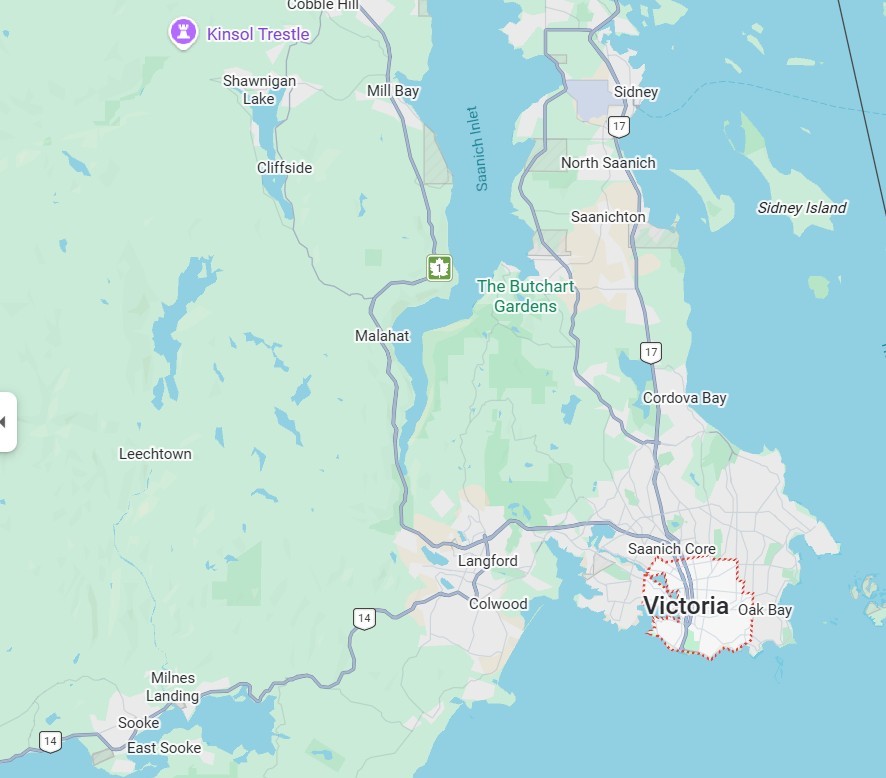
Victoria is one of the most desirable cities in Canada, and demand plays a major role in pricing.
When people talk about the cost of living Victoria BC, they’re typically referring to three main areas:
-
Housing costs (your largest expense)
-
Daily living expenses (groceries, utilities, transportation)
-
Lifestyle costs (dining, recreation, convenience)
What Most Buyers Get Wrong
The biggest gap we see is this. Buyers plan based on averages, but they shop based on lifestyle.
Someone who budgets for a $700,000 condo often ends up looking at $850,000 properties once they experience neighborhoods, views, and quality differences.
That gap between expectation and reality is where stress shows up.
Closing that gap early is one of the most important parts of a successful move.
Average Monthly Costs (2026)
Single person: $3,000 to $4,100
Couple: $4,200 to $5,800
Family: $6,000 to $8,500+
These ranges reflect real-world living, not bare-bones budgeting. Your actual costs will depend heavily on your housing choices, lifestyle, and how close you want to be to the core.
Compared to other cities:
-
Higher than most mid-sized Canadian cities
-
Slightly lower than Vancouver
-
Above the national average overall
Why People Are Moving to Victoria BC Despite the Cost

If Victoria is expensive, why do so many people still choose it?
Because the lifestyle often outweighs the cost.
Lifestyle Benefits
-
Mild climate year-round
-
Access to ocean, parks, and outdoor living
-
Slower pace compared to larger cities
-
Strong sense of community
For many buyers, it’s a shift toward a more balanced way of living.
Pros and Cons of Living in Victoria BC
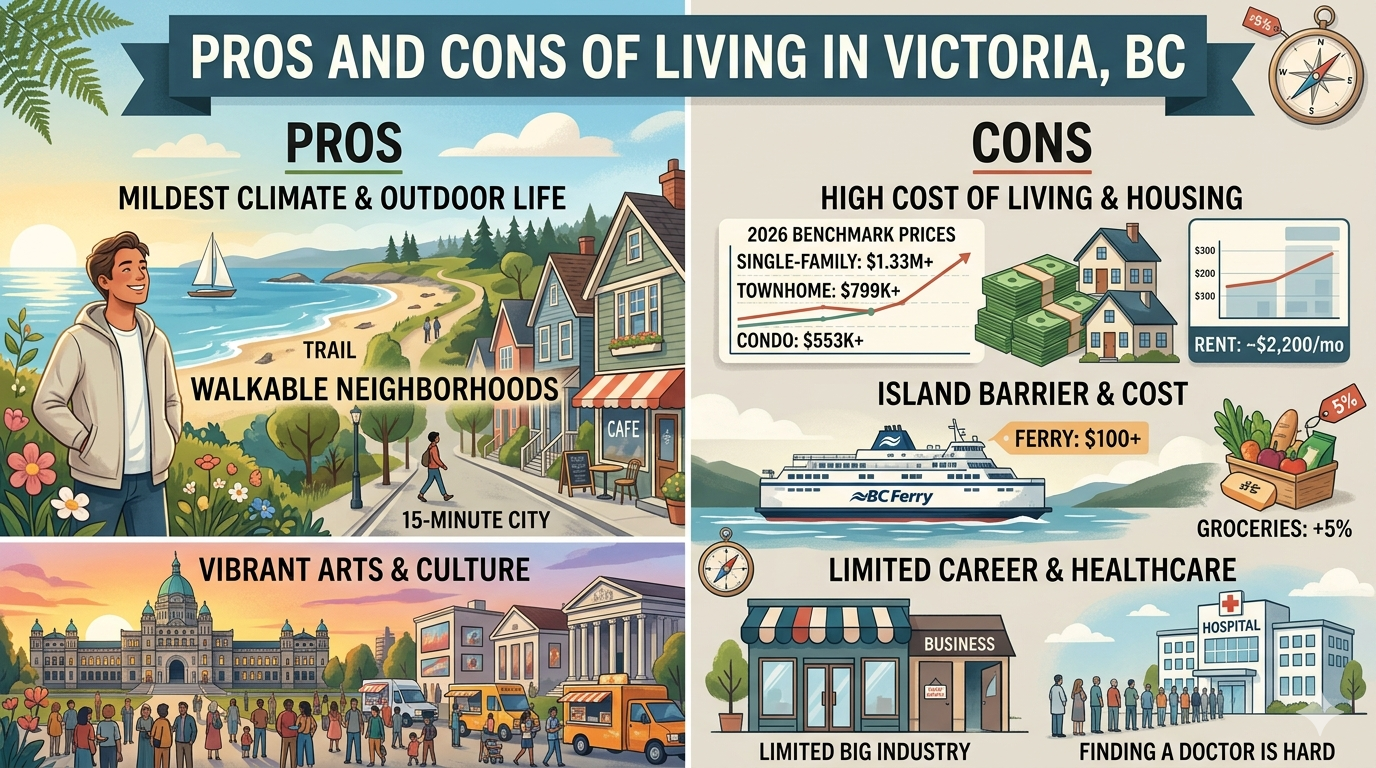
Pros
-
High quality of life
-
Strong long-term real estate value
-
Coastal lifestyle and natural beauty
-
Community-focused neighborhoods
Cons
-
Higher housing costs
-
Limited inventory in popular areas
-
Slightly higher everyday expenses
Real Estate Market in Victoria BC

Housing is the biggest factor in the cost of living in Victoria BC.
Average Home Prices (2026)
-
Detached homes: $1M+
-
Townhomes: $700K to $900K
-
Condos: $450K to $700K
Prices vary by location:
-
Oak Bay offers premium pricing and stability
-
Saanich offers balance and variety
-
Langford and Colwood offer more affordability and newer homes
People often think Victoria’s market is about price, but it’s really about how little is available.
Land is limited, inventory is tight, and desirable neighborhoods tend to hold their value over time.
That’s why many buyers choose to enter the market sooner rather than wait, even when prices feel high.
👉 Compare values here:
Why Home Assessments Are Confusing in Victoria
Renting vs Buying
-
Rent continues to rise steadily
-
Buying builds long-term equity
Many buyers choose to purchase because waiting can cost more over time, especially in a market with limited supply.
Best Neighborhoods in Victoria BC by Cost and Lifestyle
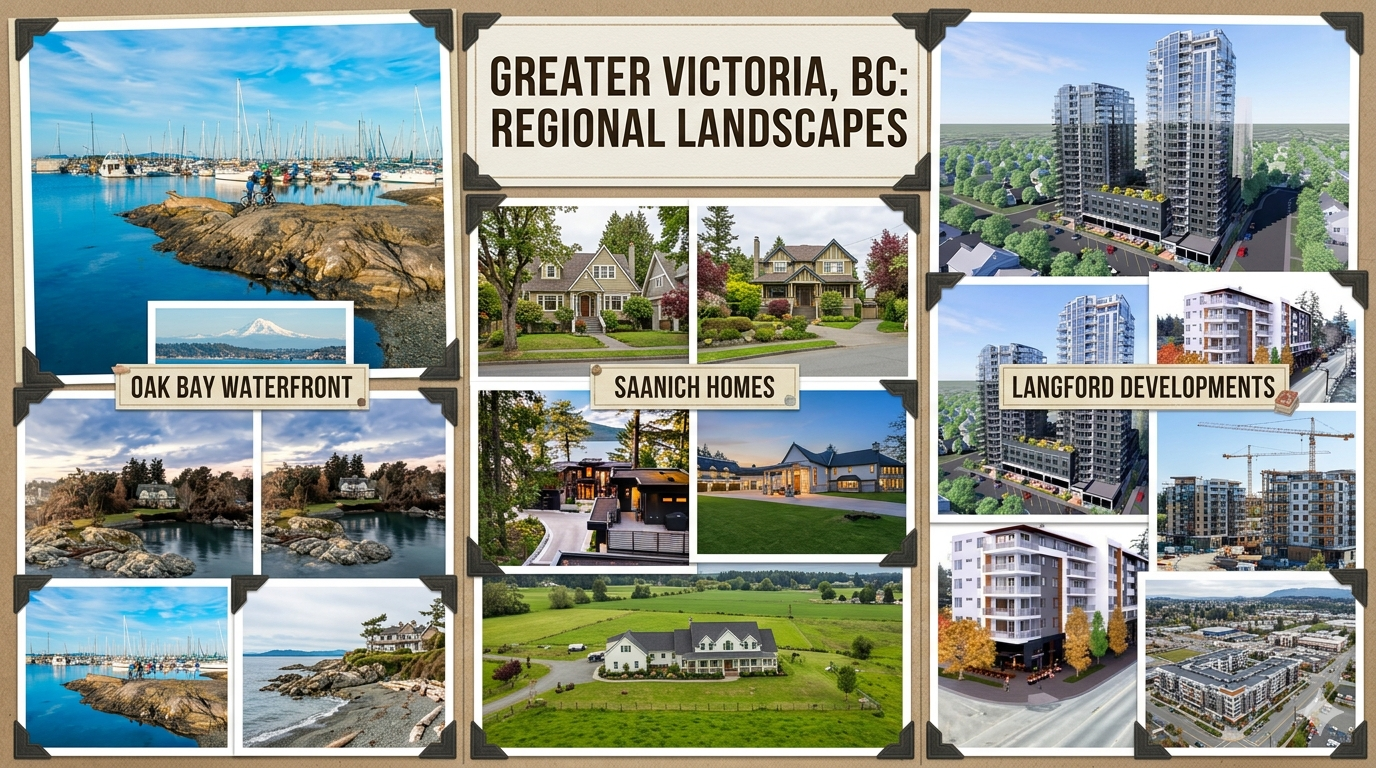
Where you live affects your total monthly cost significantly.
Higher-Cost Areas
-
Oak Bay
-
Central Victoria and waterfront locations
Balanced Areas
-
Saanich
-
View Royal
Saanich in particular offers a strong middle ground. Established neighborhoods, access to green space, and central connectivity make it one of the most versatile areas to live. We live in Cordova Bay, and it has that rare mix of beachside calm and everyday convenience.
More Affordable Areas
-
Langford
-
Colwood
👉 Learn more about choosing the right area:
Best Areas to Live in Victoria
Lifestyle-Driven Areas
-
Sidney
-
Sooke
Daily Living Expenses in Victoria BC

Beyond housing, everyday costs add up.
Groceries and Dining
-
Groceries: $400 to $800 per person monthly
-
Dining out: above average due to tourism demand, a high number of restaurants per capita, and a food scene known for its quality
Transportation
-
High gas prices compared to other provinces
-
Transit pass: about $85 monthly
Utilities and Internet
-
Utilities: $120 to $250+ monthly depending on home size and heating type
-
Internet: $90 to $140 monthly for most households
Utility costs can vary more than people expect, especially in older homes or during the winter months.
Overall, daily expenses are manageable, but not low.
Who Should Move to Victoria BC

Victoria is a strong fit for:
-
Buyers prioritizing lifestyle and environment
-
Remote workers or dual-income households
-
Buyers bringing equity from another market
-
Families seeking long-term stability
Common Mistakes Buyers Make

-
Underestimating total monthly expenses
-
Focusing only on purchase price
-
Not comparing neighborhoods properly
-
Waiting too long in a supply-constrained market
The biggest mistake is not building a complete financial picture before moving.
The Real Cost Is Lifestyle Alignment
The cost of living in Victoria is more about alignment than just numbers.
Buyers who thrive here are the ones who value what Victoria offers. Space, nature, pace, and long-term stability.
When those priorities are clear, the numbers tend to make sense.
When they’re not, Victoria can feel expensive very quickly.
Final Thoughts
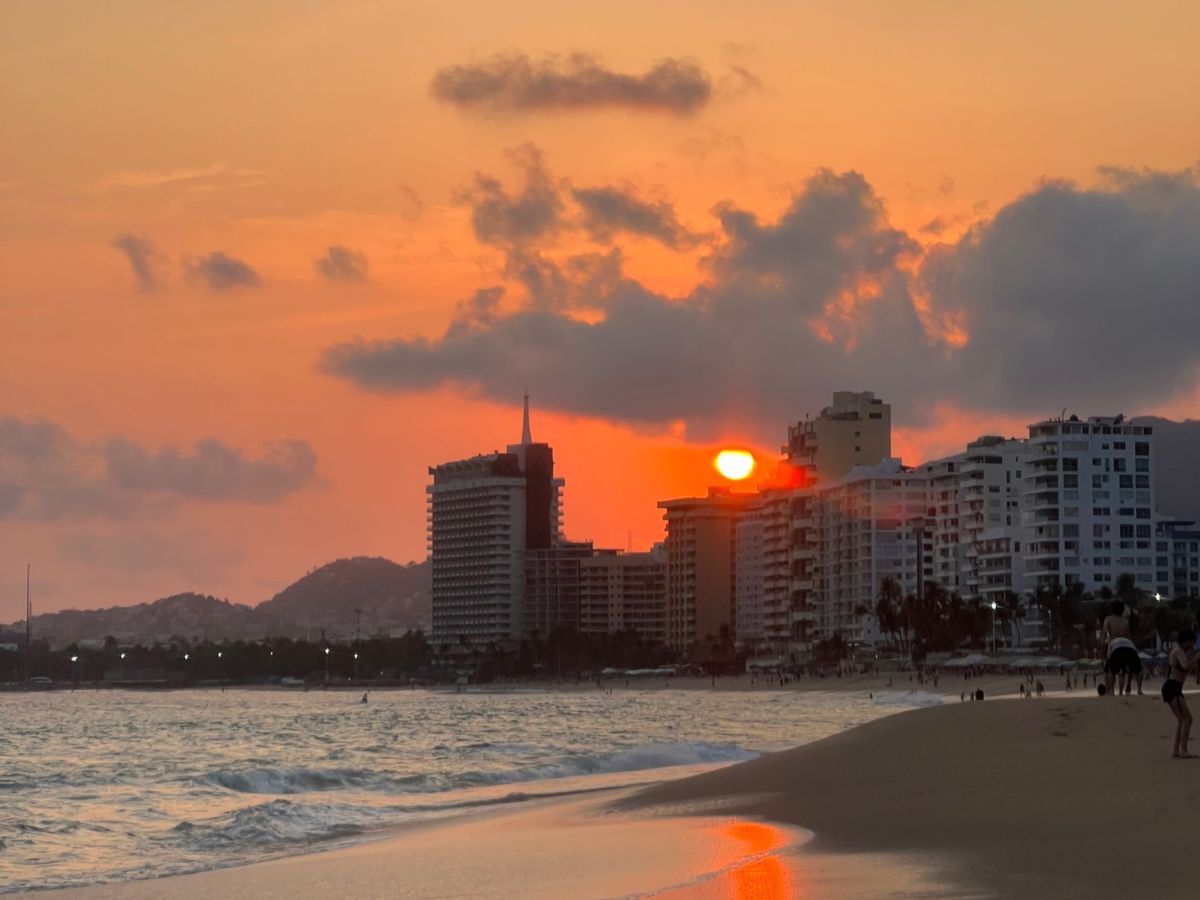
The cost of living in Victoria BC is higher than many cities, but for many buyers, it’s worth it.
What you gain includes:
-
Lifestyle
-
Environment
-
Long-term property value
-
Quality of life
The key is making sure the numbers align with the life you want.
Frequently Asked Questions
Is the cost of living in Victoria BC higher than Vancouver?
Victoria is generally slightly more affordable than Vancouver, especially in housing, but the difference is smaller than many buyers expect. Everyday costs like groceries and gas can be similar.
What salary do you need to live comfortably in Victoria BC?
For a comfortable lifestyle, many households aim for a combined income of $90,000 to $140,000+, depending on housing choices and lifestyle. Dual-income or remote income households often find it easier to manage costs.
Is it cheaper to live in Langford or Saanich compared to Victoria?
Yes. Langford and Colwood are typically more affordable, especially for newer homes. Saanich offers a middle ground with a wider range of price points compared to central Victoria or Oak Bay.
Are utilities and groceries expensive in Victoria BC?
Utilities are moderate compared to other Canadian cities, but groceries and dining can be higher due to transportation costs and demand. Budgeting for this is important when planning your move.
Is buying a home in Victoria BC worth it long-term?
For many buyers, yes. Victoria has historically shown strong long-term demand and limited supply, which supports property values. Buying can also offset rising rental costs over time.
Call to Action
If you’re thinking about making a move to Victoria BC, the most important step is getting clear on your real numbers before you start looking at homes.
We can help you:
-
Break down your real monthly costs
-
Compare neighborhoods based on your budget
-
Build a strategy before you buy
👉 Explore more insights here:
Explore available homes and neighborhoods here:
Victoria BC Real Estate Blog
Or reach out directly to start a conversation about your goals.
Contact Anna Hakim and Perry Fanthorpe today at +1 250 885 7399 or visit Happy Homes Team, and let’s talk about what your next move in Victoria, BC could look like.
Homes with soul. Strategy with heart.
.png)